
If your house is in good shape and you have a few months, listing with an agent will often net you more money. If it needs major work, you need a firm closing date, or you don't want showings, repairs or a deal that can fall through, a cash sale can make sense even at a lower price. Compare what you would actually receive after costs, not the headline price.
What does each route cost you?
- Commissions. The Minnesota Attorney General's handbook lists the real estate commission first among typical seller costs. It is set in your listing agreement and is negotiable.
- Title search, recording fees, taxes and assessments, closing fee. Also on the AG's list of typical seller costs.
- State deed tax. The Department of Revenue rate is 0.33% of the net consideration, and Hennepin and Ramsey Counties add 0.01%, for 0.34% there. The AG handbook lists it among costs sellers typically pay.
- Repairs and prep. Whatever it takes to sell at the price you're targeting, plus any city-required repairs (see the TISH guide).
- Holding costs. Mortgage interest, taxes, insurance and utilities while the house is on the market.
How do commissions work after the 2024 NAR settlement?
Under the settlement of lawsuits against the National Association of Realtors, new MLS rules took effect on August 17, 2024. Offers of compensation to the buyer's agent can no longer be posted on the MLS, and agents working with a buyer need a written agreement with that buyer before touring a home. Commissions remain negotiable. You can still agree to pay a buyer's agent or offer concessions, but the amount is set outside the MLS. So what you pay in total depends on your listing agreement and any offers you make to buyers.
The comparison on my home page uses a typical total of 5 to 6% of the price. I use 5.5% in the table below. Your agent may quote differently.
What would the net look like?
Here is an example, built on the same numbers as the offer example in the offer math guide: a house that would sell for $300,000 after $45,000 of repairs. The costs marked "assumed" are my estimates, not quotes, so replace them with yours.
| Item | List with an agent (after repairs) | Cash offer |
|---|---|---|
| Price | $300,000 | $190,000 |
| Commissions (5.5%, assumed) | − $16,500 | $0 |
| State deed tax (0.34%) | − $1,020 | See note |
| Repairs | − $45,000 | $0 |
| Holding costs (4 months at $1,500, assumed) | − $6,000 | $0 |
| Title search, recording, closing fee (assumed) | − $2,000 | $0 |
| Net before any mortgage payoff | $229,480 | $190,000 |
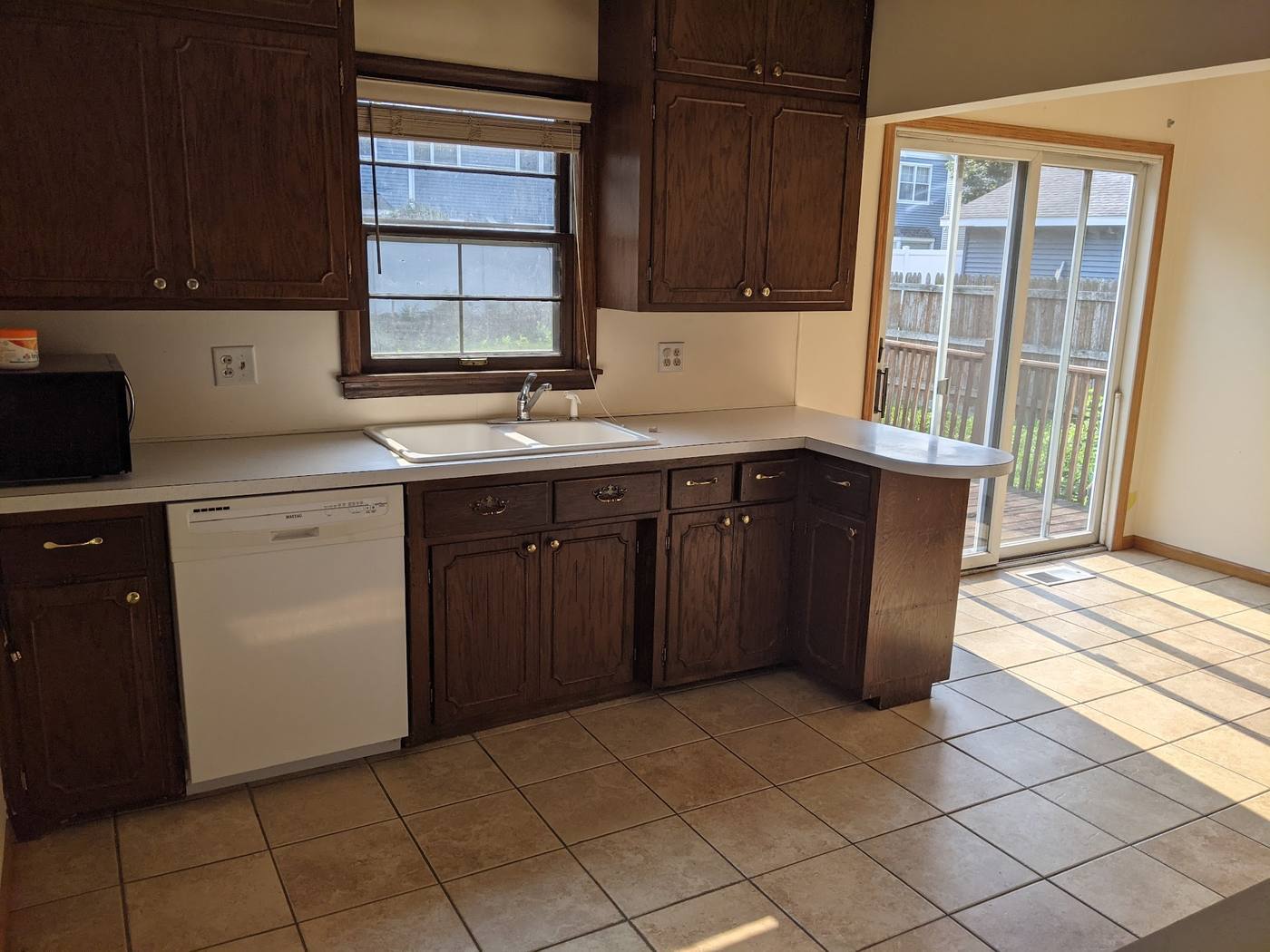
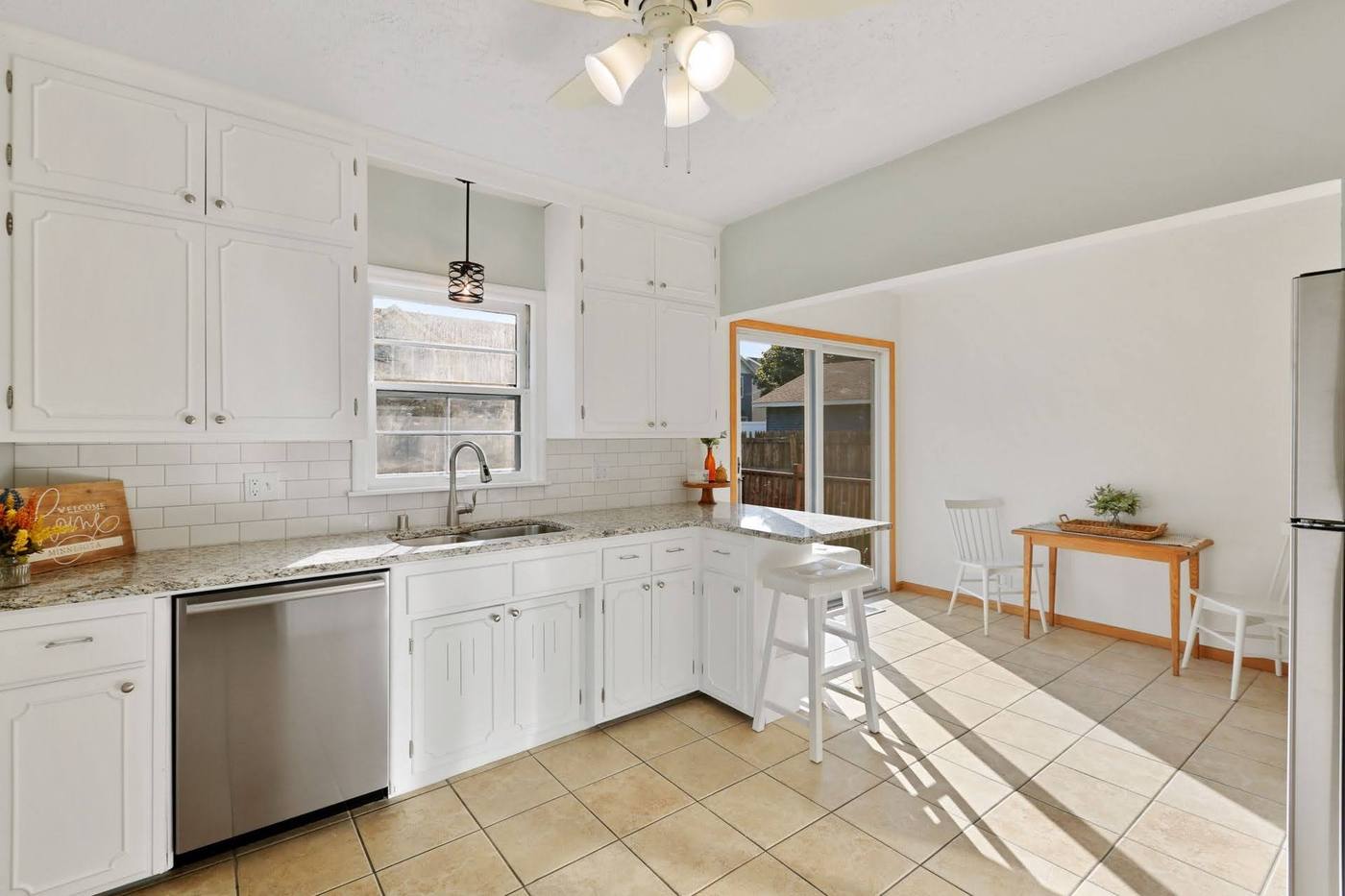
In this example, listing nets about $39,000 more, but only if you do $45,000 of repairs first, carry the house for months, and the sale closes at that price. Deed tax and other closing costs on the cash side depend on the purchase agreement, so ask who pays what before you sign. If you list without doing the repairs, the sale price will likely be lower and the table changes. That is one reason to get a price opinion from an agent too.
What does the table leave out?
A few things don't fit in a simple table, and they can swing the comparison either way.
- Your time and stress. Fixing, cleaning, staging and keeping the house show-ready is real work. So is managing contractors if you live far away.
- Risk of the repair budget. A $45,000 estimate can turn into more once walls are opened. In a cash sale, the buyer carries that risk.
- Deals that fall through. A listed house can lose a buyer to a failed loan or a low appraisal, and then you start over. The AG's handbook names both as common causes of delay.
- Price negotiation. Buyers can ask for credits after an inspection. A cash buyer who has already seen the house should not be surprised by what they find.
- The market. The 4 months of listing time in the table is an assumption. Houses can sell faster or slower, and the price can move.
The best check is to get both numbers: ask an agent for a price opinion and a net sheet, ask me or another buyer for an offer, and put them side by side with your own payoff.
When is listing clearly better?
- The house is in good condition and needs little work.
- You have two to four months and can handle showings.
- You want the highest price and can wait for a buyer with financing.
- You have plenty of equity and a mortgage you can keep paying while it's on the market.
When does a cash sale make sense?
- The house needs major repairs, or you can't afford or manage them.
- It's packed with belongings, or you live out of state.
- You need to close by a certain date, such as a move, a divorce or a closing on another home.
- You'd rather avoid showings, or a buyer's loan falling through at the last minute.
- You are managing an inherited house. See selling an inherited house, and ask the estate's attorney first.
I'd rather you pick the route that fits. If you'd like to see what I'd offer, send the address through the offer form, and compare it with a listing estimate before you decide.