
Most cash home buyers work backwards. They estimate what the house will sell for after repairs (the after-repair value, or ARV), then subtract the repair cost, the costs of holding and reselling the house, and their profit. What's left is the cash offer. If a buyer can't show you those pieces, you can't check the offer.
What is the formula?
- After-repair value (ARV). What similar, updated homes nearby have recently sold for.
- Minus repairs. Roof, kitchen, floors, mechanicals, whatever the house needs, priced from contractor costs.
- Minus holding and resale costs. Property taxes, insurance, utilities and loan costs while the work is done, then closing costs and commissions when the investor sells.
- Minus profit. The reason the buyer takes the risk.
This is the same method I use. The numbers below are an example only, not your house.
What does the math look like with real numbers?
| Sells for after repairs (ARV) | $300,000 |
|---|---|
| Repairs | − $45,000 |
| Holding + resale costs | − $33,000 |
| Buyer's profit | − $32,000 |
| Cash offer | $190,000 |
The offer is what comes to you, minus any mortgage or lien payoff. In this example you do not pay commissions or repair costs. For how that compares with listing, see the cash offer vs. listing guide.
What is the 70% rule?
The "70% rule" is a rule of thumb used by many house flippers. It says: offer no more than 70% of the ARV, minus repairs. It's a quick screen, not a law and not a standard. Buyers use different percentages depending on the market, the risk, and how fast they expect to resell.
On the example above, the rule gives 70% of $300,000 = $210,000, minus $45,000 in repairs = $165,000. The detailed math gives $190,000, because the costs and profit in that example add up to less than 30% of ARV. That shows why the rule is only a rough guide: the real number depends on the actual repair estimate and costs.
Where do the biggest differences between offers come from?
Two buyers can look at the same house and come back with offers tens of thousands of dollars apart. The gap usually comes from three inputs, and each one is something you can ask about:
- The ARV. Which sold homes were used as comparables? Size, age, location and finish level all matter, and a few blocks can change a value. A buyer who uses lower comparables will get a lower ARV and a lower offer.
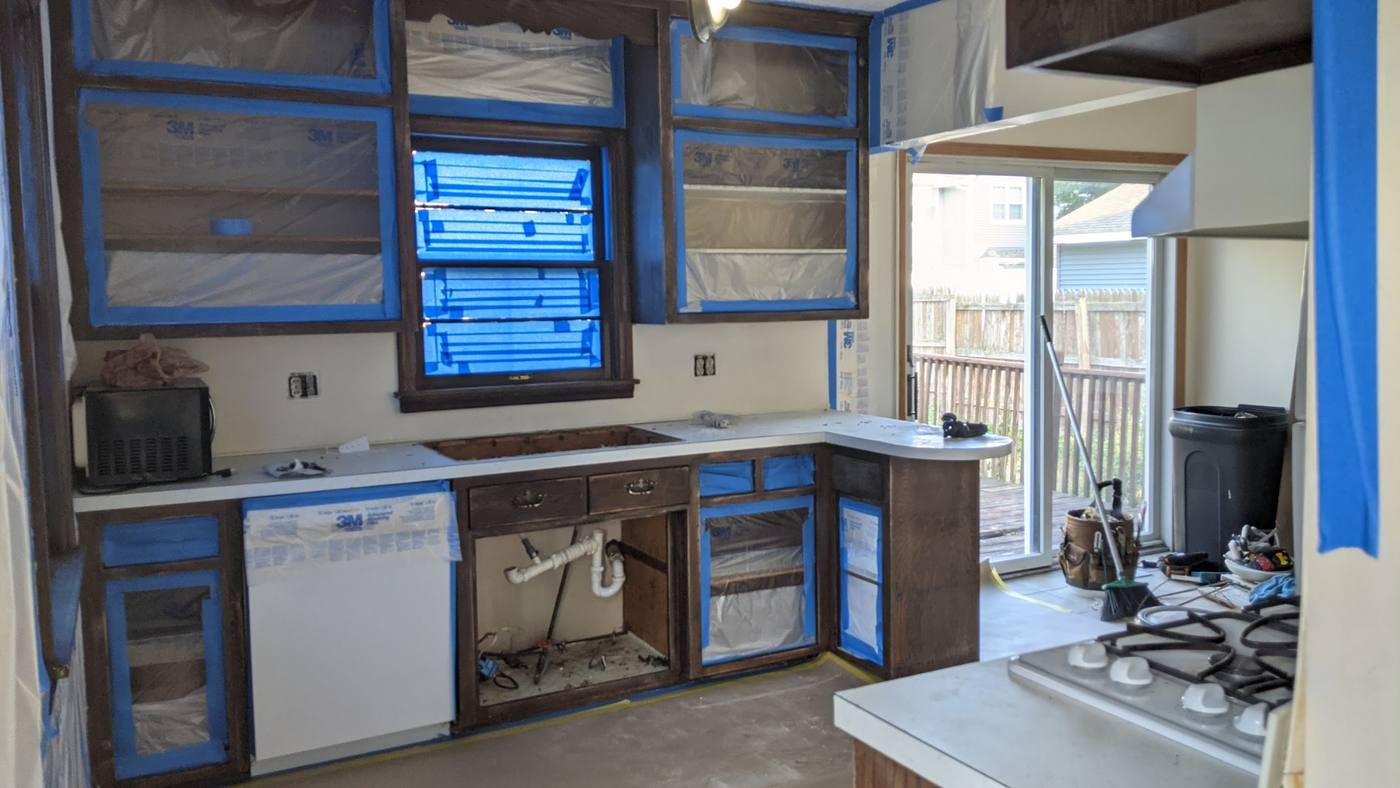
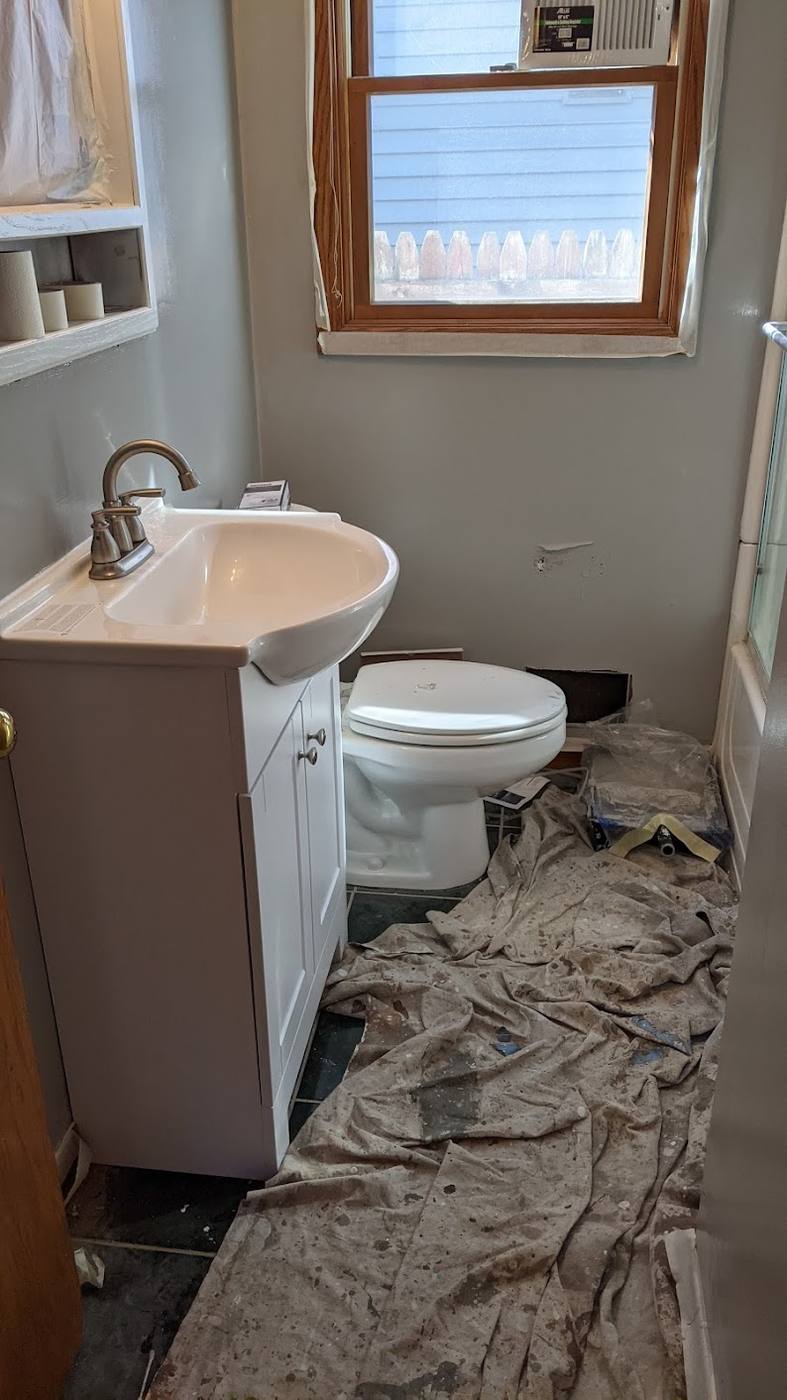
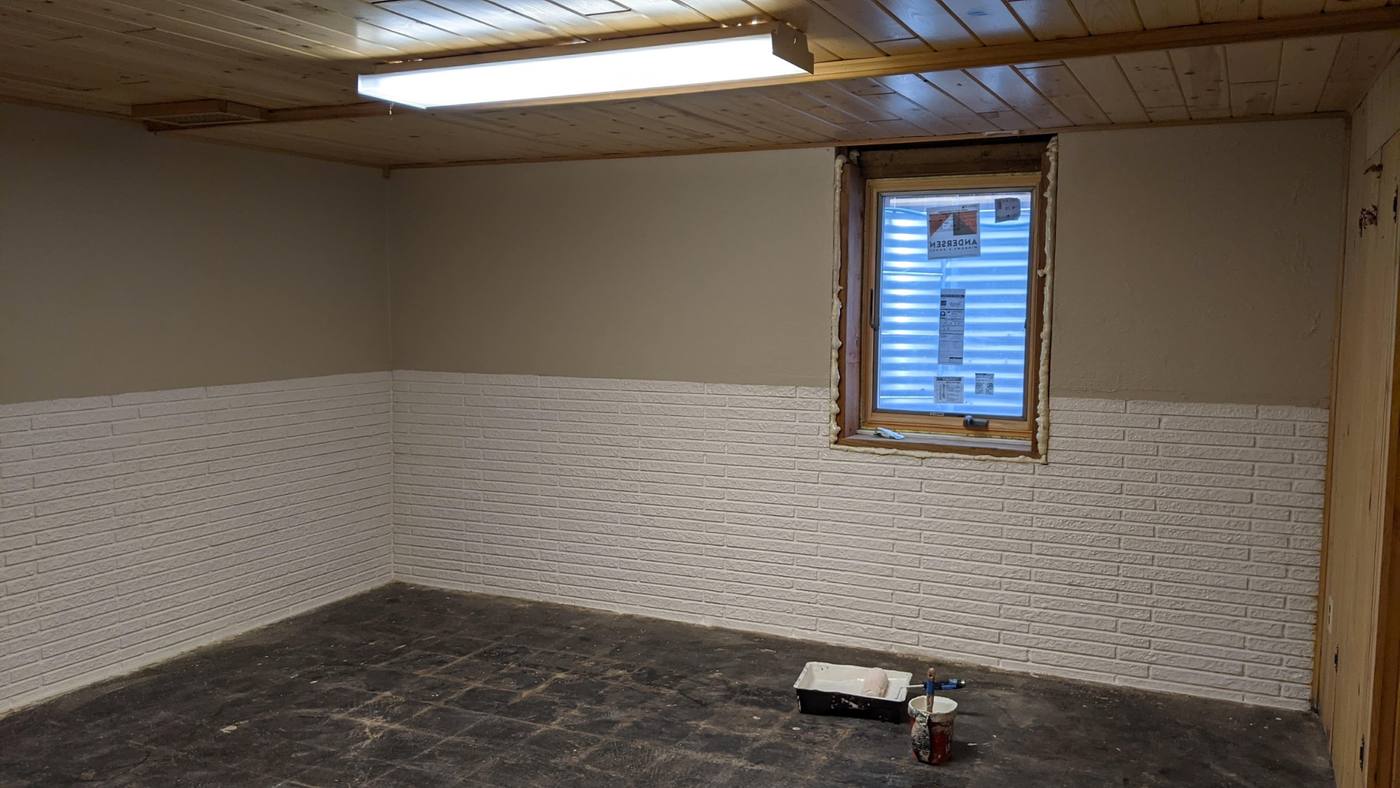
- The repair estimate. A buyer who assumes a full gut renovation will subtract more than one who sees a cosmetic update. Walk through the house with the buyer and ask what each line covers. Old wiring, a roof, a foundation or water damage can be priced from real contractor costs, but the range is wide.
- Profit and risk. A buyer who expects a long resale or a shaky market wants a bigger cushion. A buyer with a crew and cash on hand may accept less.
Holding and resale costs are also real: taxes, insurance and utilities while the work is done, loan costs if the buyer borrows, and closing costs and commissions when the buyer sells. In the example above they are about 11% of the ARV. If a buyer shows a much larger number, ask what is in it.
How can I check an offer?
- Ask for the ARV and the comparable sales behind it. You should be able to see nearby sold homes that are similar in size and condition after repairs.
- Ask for the repair estimate by item. A single "lots of work" number is not an estimate. Check it against one or two contractor quotes if you can.
- Ask what the buyer's costs and profit are. I put mine on the table. If a buyer won't, treat that as information.
- Get a second offer, and a price opinion from an agent. Compare the net numbers, not the headline prices. Your net depends on payoffs, taxes and closing costs.
- Read the written offer and purchase agreement, or have an attorney read them. Terms matter as much as price.
What are the red flags in a low offer?
- The buyer won't explain the math or the repair assumptions.
- No one sees the house in person before the number is final, then the price drops after the "inspection."
- Pressure to sign today, or an offer that "expires" within hours.
- Large non-refundable deposits from you, or fees you pay up front.
- The buyer is not the one who will close. Ask who is actually purchasing the house and who is providing the funds, and who the title company is.
- Terms that let the buyer walk away for almost any reason while you stay locked in.
Why is a cash offer lower than market value?
Because the buyer is paying for repairs, time, risk and their own selling costs, and you are not. A house that's in good shape and listed well often sells for more. A cash sale trades some of that price for speed, certainty and not needing to fix or show the house. Which one fits depends on your house and your timeline. The next question for many sellers is the net after commissions and repairs, which the comparison guide works through.
If you'd like me to run these numbers for your house, the offer form takes about a minute, and I'll show you the math and tell you honestly if listing looks better.
Sources
- Minnesota Attorney General: Home Sellers Handbook, Closing on Your Home (typical seller costs)
- Minnesota Attorney General: Home Sellers Handbook
The 70% rule is an industry rule of thumb, not a legal or official standard, so it has no government source. The example numbers are for illustration.